
Every contractor and finish carpenter knows the routine. You walk into the local lumber yard, scan the moulding aisle, and find the same dozen profiles you’ve seen for the last fifteen years. Colonial casing, clamshell, a couple of crown options, some chair rail. If the project calls for anything beyond the basics, you’re either compromising the design or placing a special order with a four-week lead time.
That’s the gap Architectural Depot was built to fill. Architectural Depot serves contractors, architects, and designers who need profiles, materials, and finish options that general lumber yards don’t stock.
The Catalog Difference
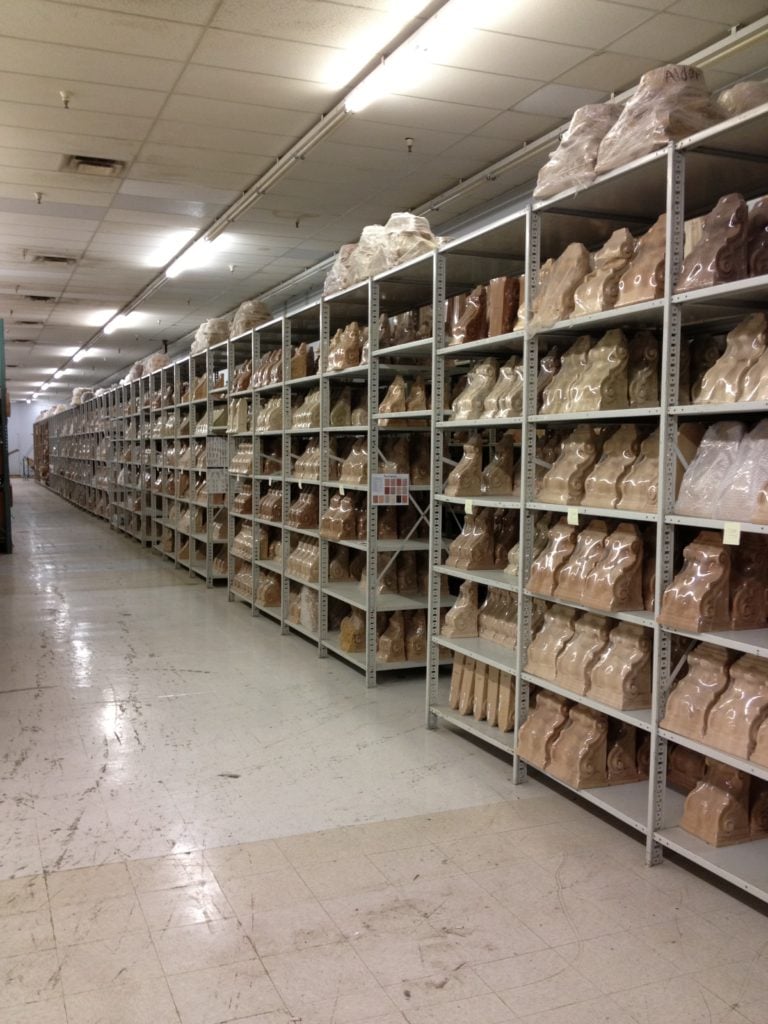
Architectural Depot carries the largest moulding catalog available anywhere, with thousands of SKUs in active inventory. That isn’t a marketing line. It’s a function of how the business is structured. Traditional lumber yards have finite shelf space and have to stock the highest-volume movers to justify the square footage. A 2-1/4″ colonial casing turns over fast. A fluted pilaster with an acanthus leaf capital does not, even though the architect specified it and the GC needs it on site Monday.
By operating as a specialist supplier rather than a general building materials yard, Architectural Depot can carry the long tail of profiles that lumber yards can’t justify stocking. Crown, casing, baseboard, chair rail, panel moulding, dentil, egg and dart, rope, fluted, reeded, and dozens of other profile families, in widths and projections that a typical yard would tell you to special order.
Urethane Profiles for Ornate Designs
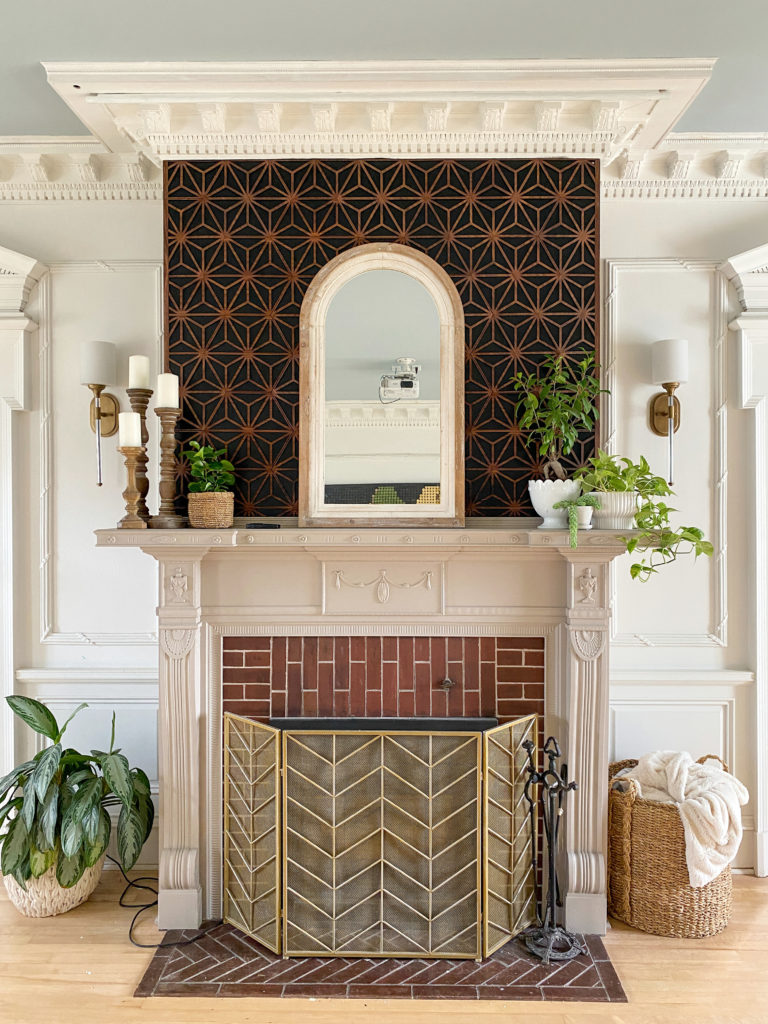
Ornate millwork is having a moment. Designers and architects are specifying more carved detail, more layered profiles, and more historic reproduction work than the industry has seen in years. Coffered ceilings, applied wall panels, ceiling medallions, and decorative brackets are showing up in projects that would have called for flat stock five years ago.
Urethane is the practical answer for most of this work. It holds crisp detail in deep relief that would be cost-prohibitive to mill in wood. It’s dimensionally stable in bathrooms and kitchens where solid wood would move. It takes paint cleanly, installs with construction adhesive and finish nails, and weighs a fraction of what plaster or wood equivalents would. For a contractor pricing an ornate trim package, urethane often makes the project budget work where wood wouldn’t.
Architectural Depot’s urethane catalog covers the full range, from simple crown profiles to fully carved corbels, brackets, ceiling medallions, niche caps, and panel moulding systems.
Stain-Grade Wood in Ten Species

For projects calling for natural finish, Architectural Depot stocks traditional moulding profiles in ten stain-grade wood species: alder, knotty alder, cherry, maple, pine, poplar, red oak, white oak, walnut, and sapele mahogany. At a typical lumber yard, anything beyond paint-grade pine or red oak in standard profiles is a special order with a minimum quantity and a lead time measured in weeks. Species like sapele mahogany or knotty alder generally aren’t available at the yard at all.
For finish carpenters working on historic renovations, high-end residential, or commercial millwork packages, having stain-grade options on the shelf changes what’s possible to bid and what timelines are realistic to commit to.
Pre-Mitered Corners
Architectural Depot offers pre-mitered corners on select moulding profiles. The miters are cut at the factory to match the profile geometry exactly, which removes the trickiest part of crown installation in particular. For complex profiles where the corner geometry is unforgiving, pre-mitered corners can take a multi-hour layout problem and reduce it to set, glue, and nail.
It’s not the right call for every job, but on the jobs where it fits, it pays for itself in labor the first afternoon.
The Bottom Line for Pros
The lumber yard isn’t going anywhere, and for a lot of work it’s still the right call. Stock profiles and same-day pickup. That’s their lane.
Architectural Depot’s lane is everything that lives outside of it. The ornate urethane the yard doesn’t carry. The stain-grade species they’d have to special order. The historic profile that matches what’s already on the wall. The pre-mitered corners that save a half day on a complicated install. For the projects where the design specs something beyond the basics, the catalog is the difference between bidding the job and walking away from it.
If you’re a contractor, architect, or designer working on projects that call for more than the standard dozen profiles, the trade program is worth a conversation. Reach out to a sales rep to set up an account, request samples, or talk through a specific project list.